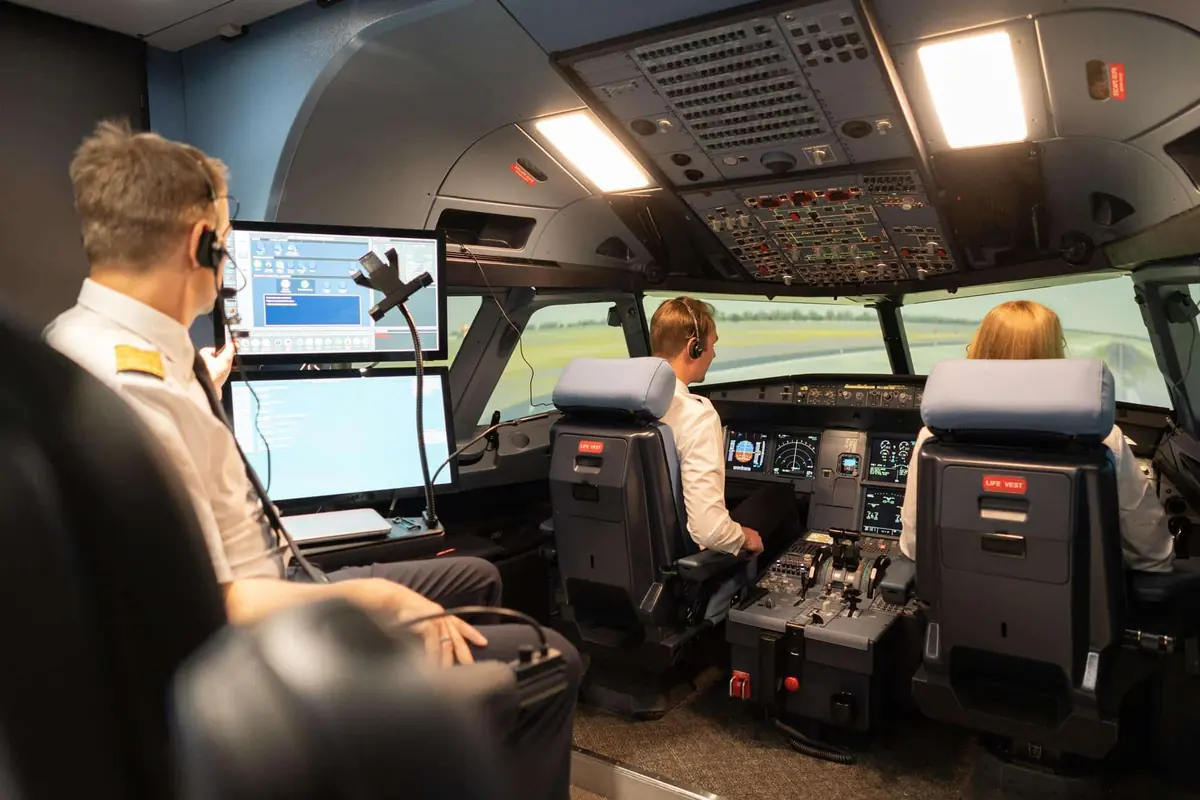

Cognitive load is the mental effort needed to take in and hold information while doing a task. When it runs too high, in a cockpit, an operating theatre or a new piece of software, errors rise and fatigue sets in.
The theory in brief
John Sweller’s Cognitive Load Theory splits load into intrinsic (how complex the task is), extraneous (how information is presented) and germane (effort that builds long-term learning). Multiple Resource Theory adds that people have separate mental resources that can work in parallel.
Why questionnaires are not enough
The NASA Task Load Index is widely used, but it relies on people remembering how they felt afterwards. Pupil dilation has been known as a physiological marker of mental effort since the 1960s. The catch is that pupils also react to brightness.
How SOMAREALITY handles it
SOMAREALITY corrects for ambient brightness, and a validation study with Prof. Dr Ulrich Ansorge at the University of Vienna found its model tracked changes in cognitive load accurately across conditions. Applications described include paediatric emergency training at MedUni Vienna and pilot trainee assessment at Lufthansa Aviation Training.
The article also stresses privacy: anonymisation, secure storage, controlled access, informed consent, and the option to process data locally.
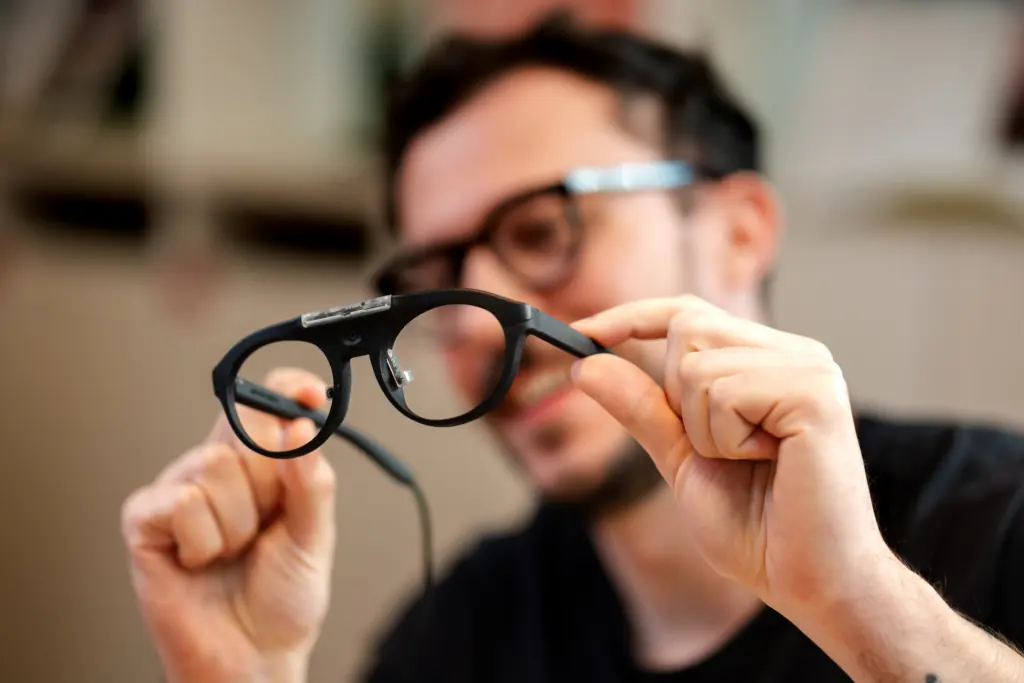
From Consort XPR: SOMAREALITY runs on Tobii Pro Glasses 2 and 3 and Tobii Glasses X, and gives Cognitive Load, the Conscious Perception Index and Attention Type live. Ask us for a demo.
Adapted from How to Measure Cognitive Load, published by SOMAREALITY (4 March 2025). Content and images used with permission.