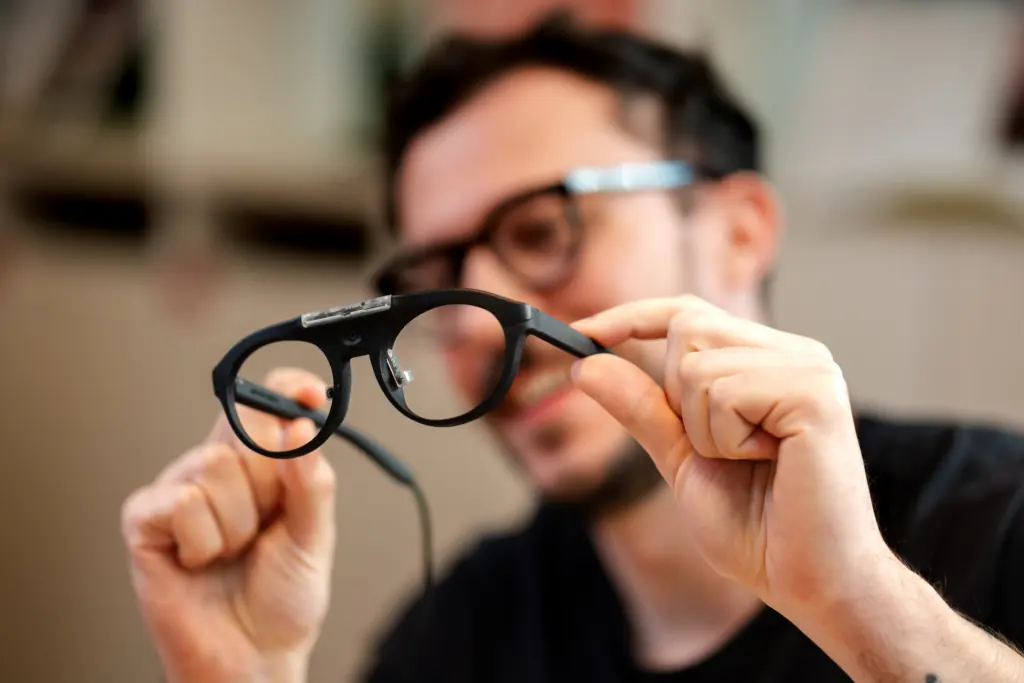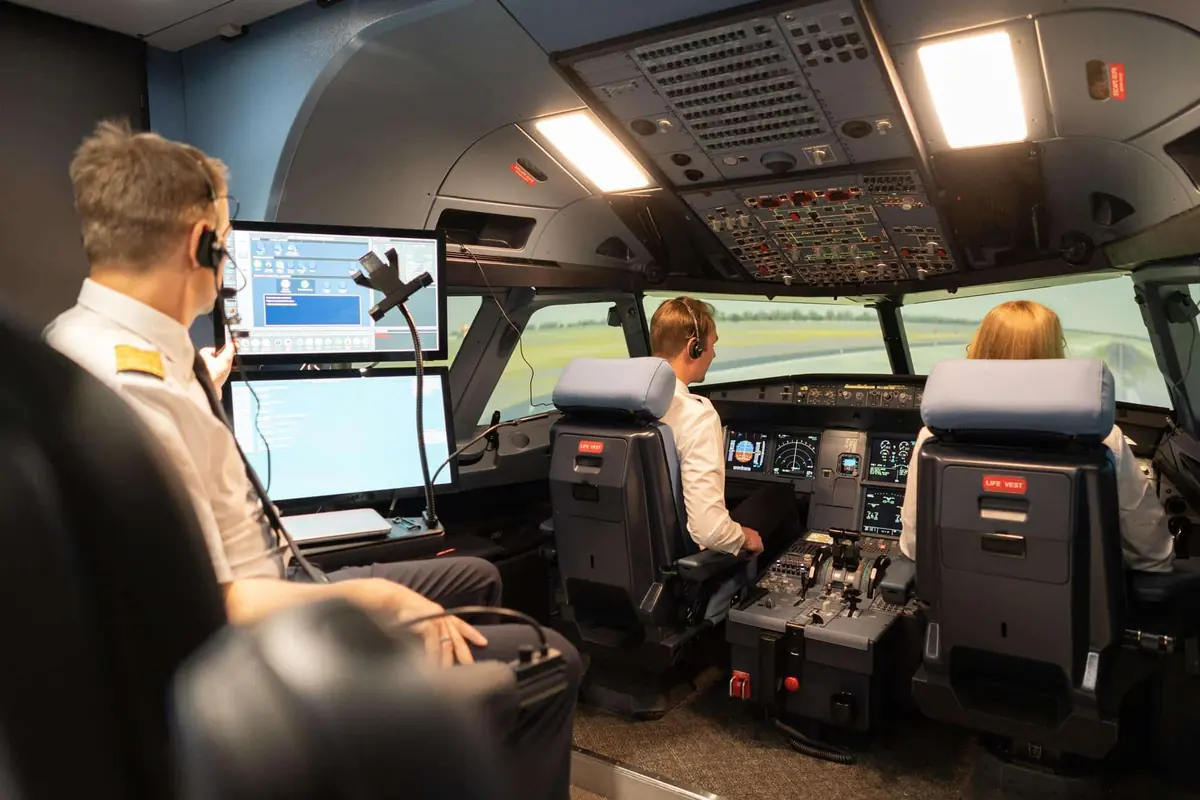

Instructors can see what a trainee does with the controls. Eye tracking shows what they are paying attention to, which is often where problems start. SOMAREALITY’s article, citing published research, sets out seven metrics that matter.
- Time on instruments. Experienced pilots make shorter, more frequent glances at instruments than novices.
- Eye movement distance. Shorter scanning distances go with better performance.
- Visual search. Top performers spend about 167 milliseconds on each area of interest, against 274 milliseconds for novices.
- Pupil size. Pupils range from about 2 to 8 mm; falling peak sizes across training sessions point to growing efficiency.
- Blinks. Blink rate, long closures and blink duration help flag fatigue.
- Attention distribution. In one study of military pilots, the head-up display took about 70% of visual focus.
- Scan speed. Pilots spend between 42% and 67% of their dwell time on the attitude indicator during manoeuvres.
The article cites NTSB data linking 84% of major US aviation accidents to poor monitoring, and argues that measuring these patterns turns training from observation into evidence.
From Consort XPR: We can build these metrics into simulator and cockpit studies with Tobii wearables and SOMAREALITY, and train your instructors to use them.
Adapted from 7 Eye Tracking Metrics That Improve Pilot Training, published by SOMAREALITY (11 March 2025). Content and images used with permission.