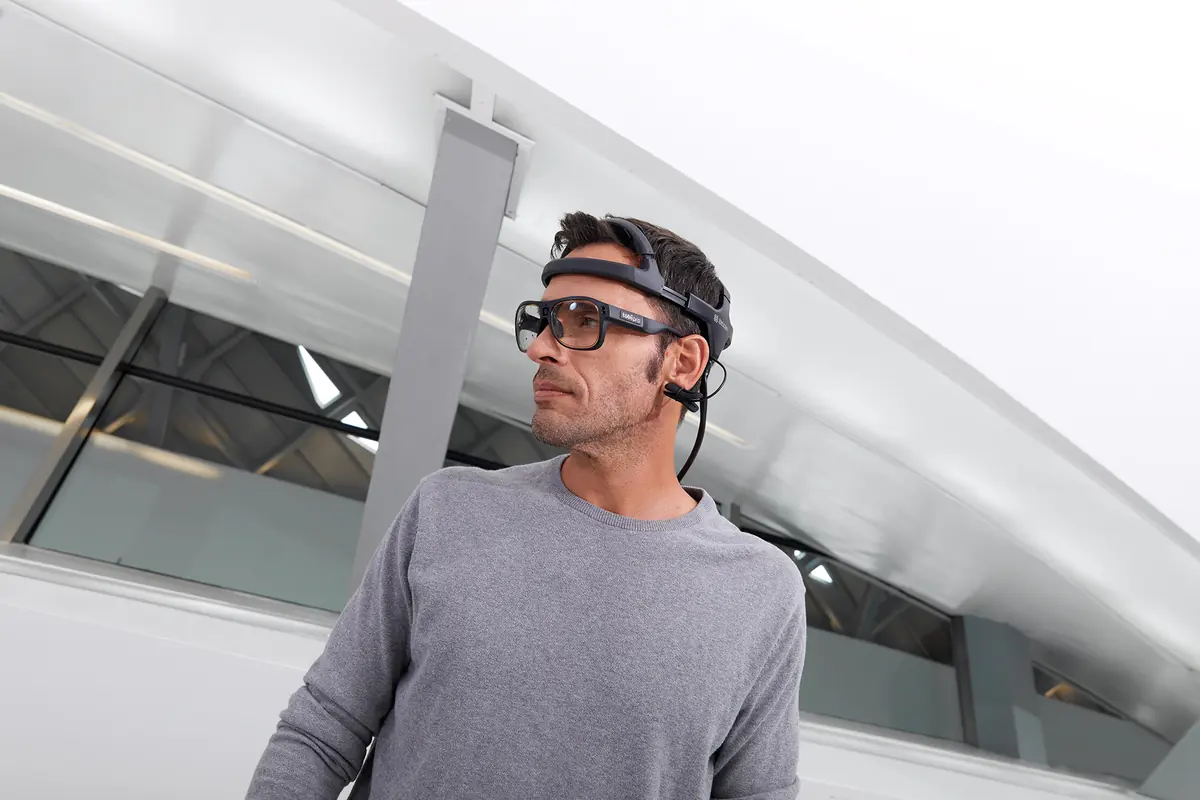

Aviation depends on skills that experienced people often cannot put into words. Tobii’s article looks at how Glasses X makes that expertise visible in three places: the cockpit, the production line and the maintenance hangar.
In the cockpit
In simulators and in live flying, Glasses X captures fast, often unconscious scanning behaviour. Experienced pilots can review their own gaze and explain what they were doing, and instructors gain concrete material for teaching. Tobii cites Aviation Safety Network data attributing 44% of crashes in 2024 to pilot error.
On the production line
Recordings show how technicians approach assembly under pressure: where attention lapses, where instructions are misread and which steps get skipped. That evidence feeds better standard operating procedures, cleaner handovers and targeted onboarding.
In inspection and maintenance
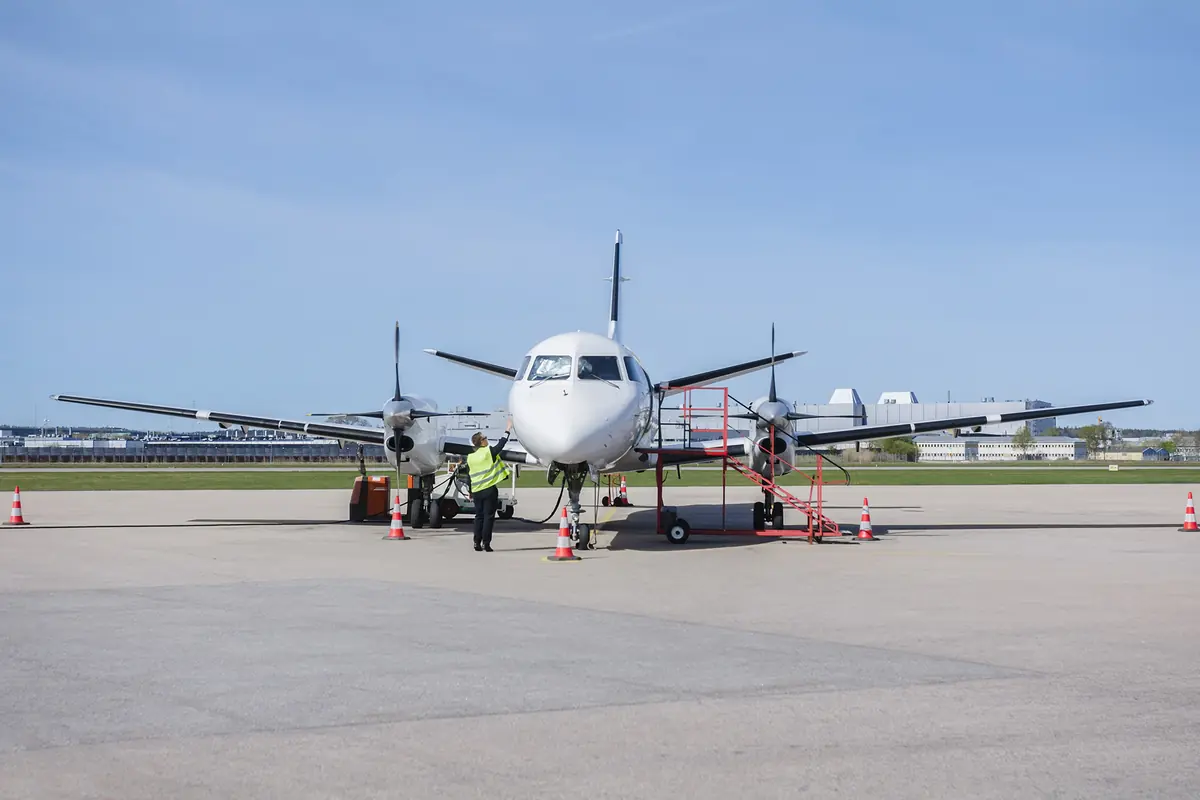
Gaze data reveals whether checks are rushed, what keeps pulling attention away, and where teams quietly work around unclear procedures. Each of these points to a training gap or a process bottleneck.
Recordings are analysed in Glasses Explore, so supervisors can base training decisions on what people actually do.
From Consort XPR: Aviation is a priority sector for us in the region. We can set up Glasses X studies in simulators, cockpits and hangars, and train your team to run them.
Adapted from How Tobii Glasses X enhances training and productivity across aviation, published by Tobii (21 July 2025). Content and images used with permission.