
What happens when food tastes nothing like it looks? Artur Głuchowski of Warsaw University of Life Sciences set out to measure it at Wageningen University, as part of the COMFOCUS project.
The design
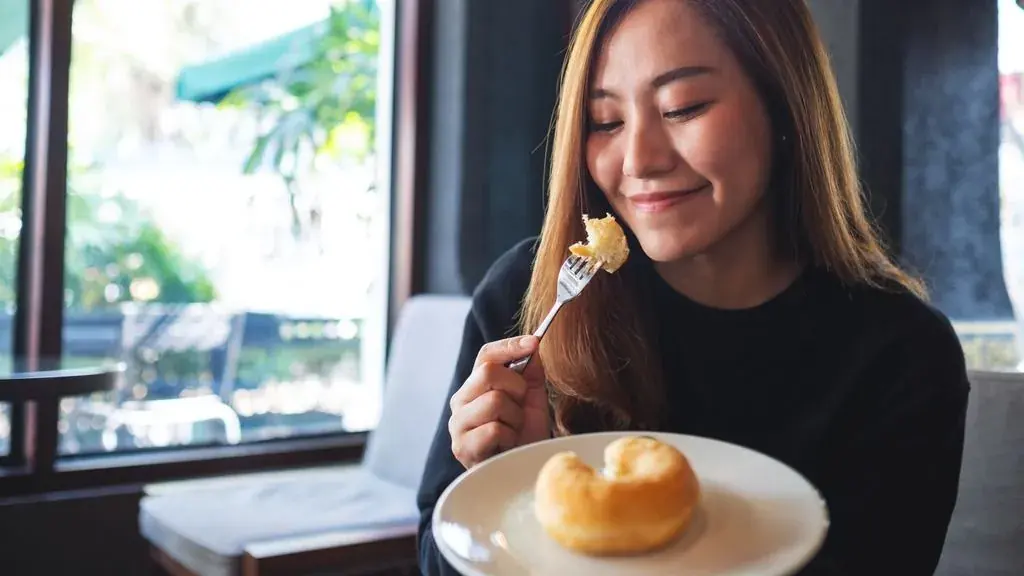
Fifty participants tasted six snacks in three identical-looking pairs, each with a sweet and a savoury version: cream puffs with coconut cream or salmon, pistachio or horseradish mousse, and tarts with lemon cream or hummus.
The measures
- FaceReader for automated facial expression analysis.
- Galvanic skin response for arousal.
- Eye tracking for visual attention.
- Standard emotion questionnaires and the Food Neophobia Scale.
Everything ran through NoldusHub, which let the team check signal quality during the two-week data collection and repeat a measurement straight away if something failed.
What it showed
Some participants showed clear shock when a flavour contradicted its appearance, and FaceReader captured it as it happened. “Your face reveals things that words can’t,” as Głuchowski put it.
From Consort XPR: We supply Noldus FaceReader and can combine it with Tobii eye tracking and GSR for sensory, packaging and product research.
Adapted from Surprising the senses: how unexpected flavors reveal consumer emotions, published by Noldus (24 July 2025). Content and images used with permission.