
OCRA, Occupational Repetitive Actions, was developed in the 1990s by Colombini, Occhipinti and Grieco. It assesses musculoskeletal risk in intensive, cyclical upper-limb work.
What it measures
Actions per minute, total daily exposure, awkward wrist, elbow and shoulder postures, force and recovery time, plus aggravating factors such as vibration, cold and local pressure. Left and right arms are assessed separately, with the grip type recorded.
Two ways to apply it in CAPTIV Score
- The full OCRA Index, a detailed task-by-task analysis.
- The OCRA Checklist, a quicker first assessment that can use EMG data.
Wearable motion sensors and synchronised video detect postures and count actions automatically, and EMG sensors measure muscular effort in real time. Where sensors are not available, the Borg scale of perceived exertion can stand in.
Where it suits
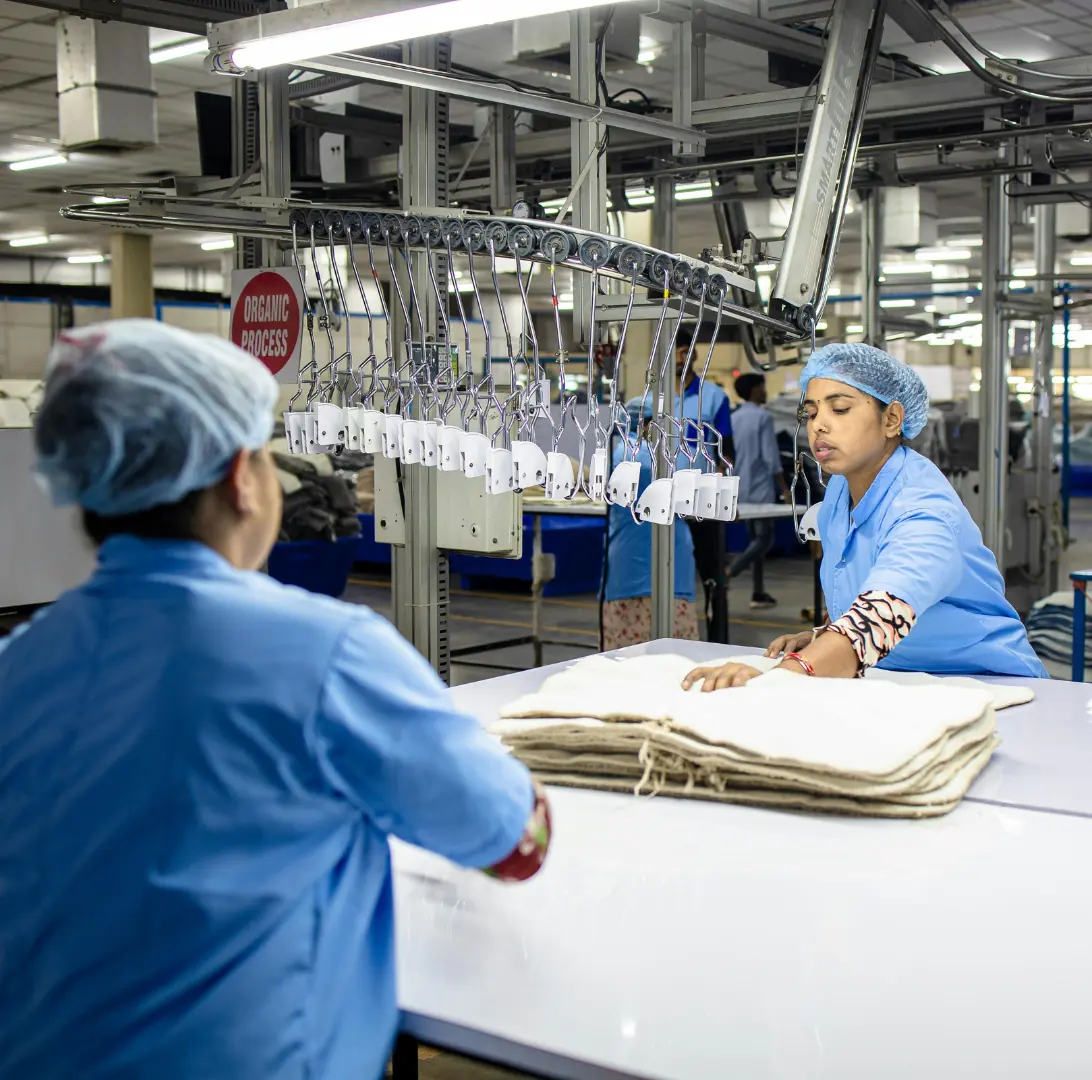
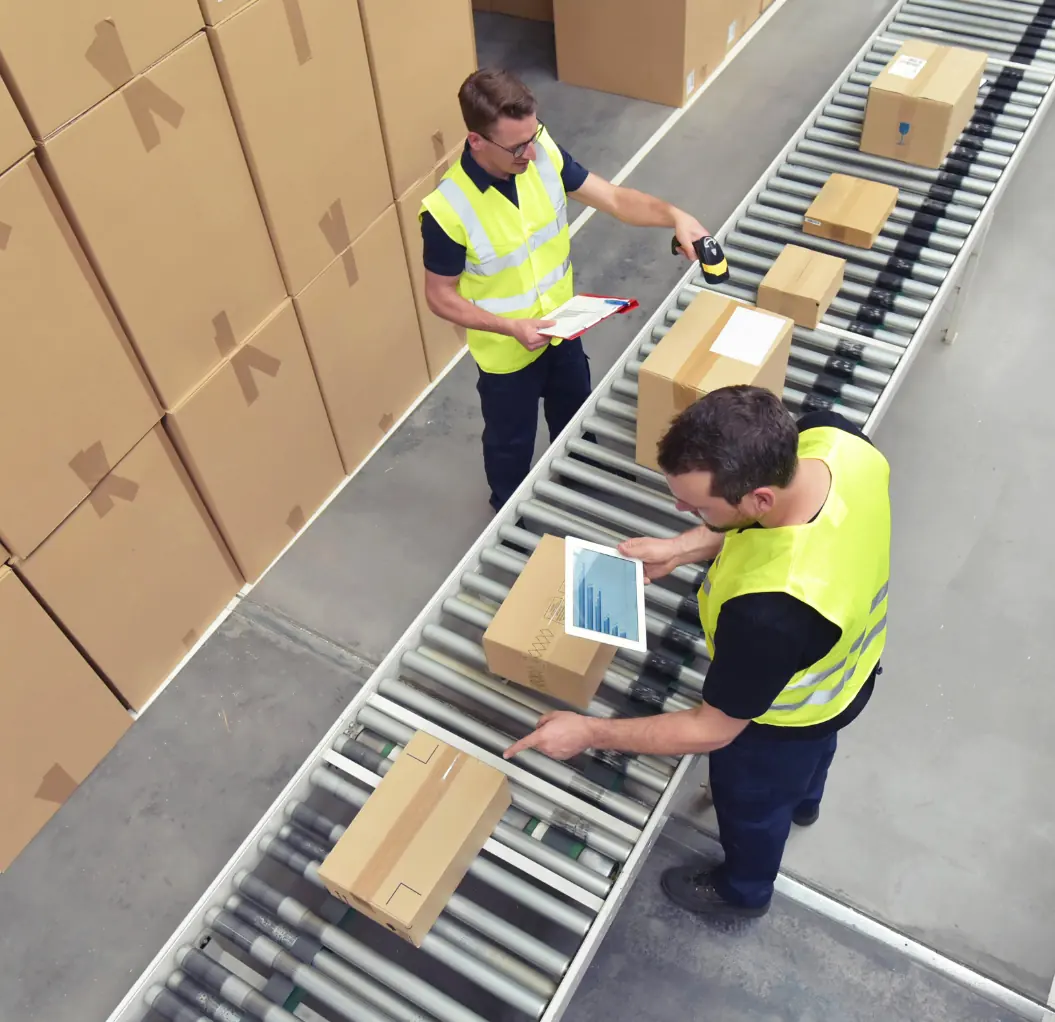
Automotive and electronics assembly, packaging, meat processing and textiles. It is more complex than RULA and less suited to highly variable work, so it is best where detailed workstation analysis is needed.
From Consort XPR: Ask us about CAPTIV for ergonomics and sports science studies, with training for your team.
Adapted from OCRA Method, published by TEA (3 November 2025). Content and images used with permission.